Need home stump grinding in Independence?
Request an estimate or email contact@departmenturban.living. Tell us about the tree and a provider in our network will follow up to plan the work.
No obligationRequest a stump grinding estimate
Stump grinding removes what a tree leaves behind. A provider uses a machine with a spinning cutting wheel to shred the stump into wood chips, below ground level. The yard stays usable, and the mower runs clear again.
Departmenturban Tree Service is a referral service. We match homeowners in Independence and the Independence area with independent local providers who do the grinding. You describe the stump, the provider quotes the job in writing, and the visit is planned around school runs, work and family routines. Stumps from a recent removal, a storm, or a job done years ago are all fair game. Request an estimate to get started.
Stump grinding uses a machine with a spinning, toothed wheel. The operator sweeps it across the stump and lowers it a few inches at a time. The wood becomes chips. Nothing gets dug out, and most jobs fit into one visit.
A stump hidden in the grass is a real hazard. Kids, guests and mower blades all find it the hard way. Until it is ground down, mark it with a bright flag or a stake.
Many stumps keep sending up shoots. Dead wood also invites ants, termites and fungus. Hot, humid summers speed all of that up, and pests can spread to a nearby fence, shed or deck.
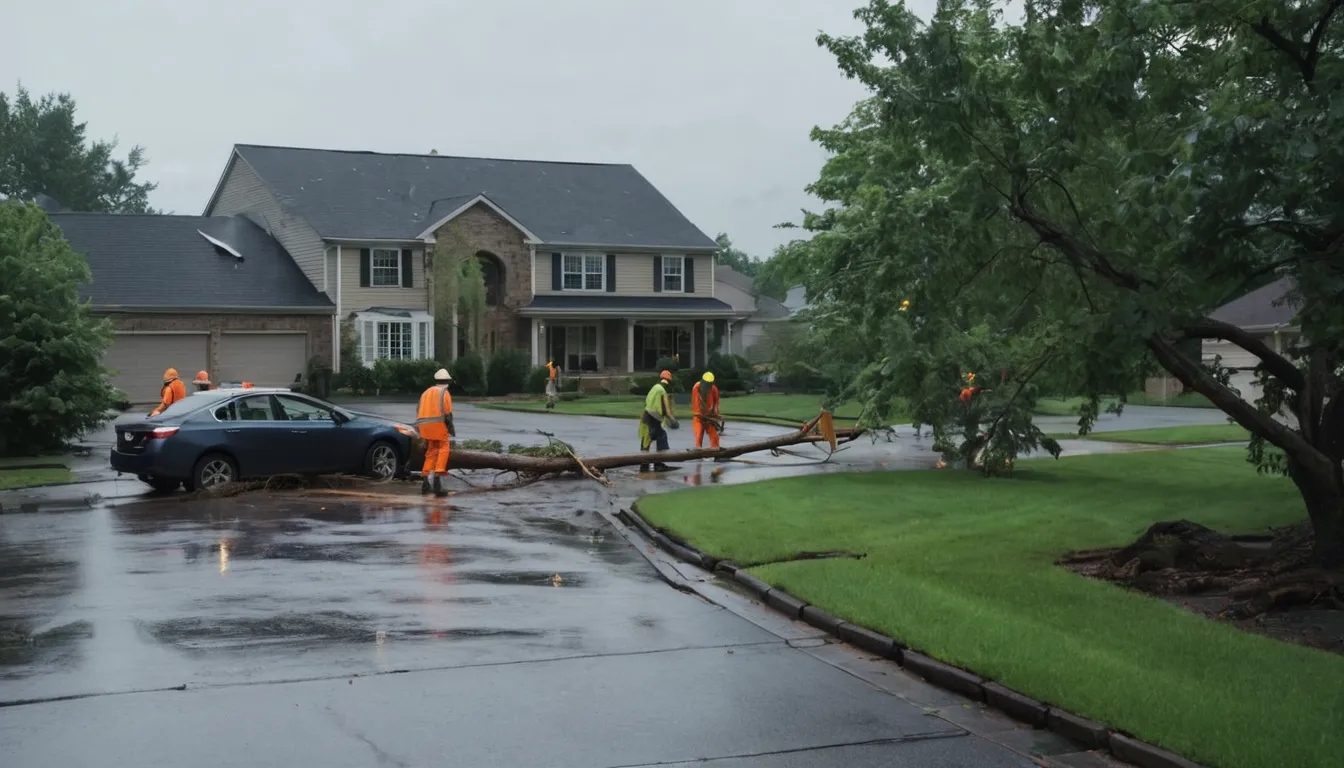
After storm tree clearance, the trunk is gone but the stump often stays. Grinding is the cleanup step that finishes the job. Frost heave in cold winters can also loosen a stump and tilt it, which makes it a bigger trip risk.
The provider rolls the grinder next to the stump and cuts side to side. The cut usually goes 6 to 12 inches below the surface. That depth is called the grinding depth. It is deep enough for grass or a garden bed on top.
A pile of chips and sawdust fills the hole. Some roots farther out may stay in the ground. They rot slowly and rarely cause trouble. If you plan to build on the spot, tell the provider first.
Stump removal pulls out the whole stump and the root ball. It needs heavier equipment and leaves a large hole. Grinding is faster, tidier and easier on the lawn.
Removal makes sense when you are pouring a slab, adding a footing or planting a new tree in the exact spot. For most yards, grinding is enough.
The provider prices each job on site conditions. These are the usual factors:
Always ask for a written quote before the visit.
Plan around life. Tell the provider which days work and whether anyone is home. Grinders are loud, so remote workers may want a time window outside of calls. A small stump often takes under an hour, but ask for an estimate of the time on site.
A few steps keep the visit short and safe:
Many older frame houses and ranch homes have buried lines near the yard. These include sump pump discharge pipes, drains and utility lines. Share what you know. The provider may also suggest a utility locate before the work starts.
An old stump can still be ground. Aged wood is often harder, and long-buried stumps may hold nails, wire or stones. Mention anything you know about the spot. Rotted stumps usually grind faster, but the provider will check on arrival.
You can keep the chips as mulch, ask the provider to haul them away, or spread them on garden beds. Fresh chips pull nitrogen from the soil, so keep them off vegetable patches.
Chips settle over a few months. Top off with soil, then seed or lay sod. In areas with spring flooding, fill the hole fully so water does not pool near the basement wall.
Want a new tree in the same place? Ask the provider to remove the chips and add fresh soil first.
Departmenturban Tree Service is a referral service. It does not do the work. Matched, then quoted: you share your details, a local provider in our network gets in touch, and you decide. There is no obligation to hire.
A machine shreds the stump into wood chips, well below the surface of your lawn.
Providers can often grind several stumps in one visit, which keeps disruption low.
Surface roots that trip people or damage mowers can usually be ground down as well.
Ask the provider to leave the chips as mulch, rake them smooth, or haul them away.
Stump grinding prices in the U.S. vary by stump width, access and the number of stumps. These ranges are typical only. Get a written quote before any work begins.
| Item | Typical range | Notes |
|---|---|---|
| Small stump (under 12 in.) | $100 – $250 | Quick job with easy access |
| Medium stump (12 – 24 in.) | $150 – $450 | Most common residential size |
| Large stump (over 24 in.) | $300 – $800 | More time and wood to grind |
| Several stumps, one visit | $300 – $1,200 | Per-stump cost often drops |
| Minimum service fee | $100 – $250 | Applies to very small jobs |
| Chip haul-away and fill | $50 – $250 | Depends on volume and soil needed |
Tell us the number of stumps, their rough width, and where they sit in the yard.
A local provider reviews the details and gives you a written quote for the work.
Choose a visit window that fits your family schedule, and ask about prep.
The provider grinds the stump, then you choose cleanup, fill or mulch.
Describe the stump once, get matched with a local provider, and receive a written quote.
Ask for a time window that fits school runs and work.
The work is done by local providers in our network, not by Departmenturban Tree Service.
Requesting an estimate does not commit you to hiring anyone.
Request an estimate or email contact@departmenturban.living. Tell us about the tree and a provider in our network will follow up to plan the work.
No obligationA small stump often takes under an hour, while a large stump or several stumps can take longer. The provider can give a time estimate once they know the stump width and access.
Most providers grind 6 to 12 inches below the surface, which is enough for grass or a garden bed. Ask for a deeper cut if you plan to plant a new tree.
Grinding is faster and leaves the lawn in better shape, so it suits most yards. Full removal is for cases where roots would block a new foundation, slab or tree.
Request an estimate or email contact@departmenturban.living. Tell us about the tree and a provider in our network will follow up to plan the work.
No obligation